Intelligent Cooling That Unlocks AI Capacity
Cut cooling energy by up to 40% and redeploy the power you save to compute. Recover stranded capacity, defer chiller and CDU purchases, and plan expansions with data instead of worst-case guesses.

The Cooling Efficiency Gap
Every 0.1 improvement in PUE translates to millions in annual savings for enterprise data centers.
Data Centers Are Energy Hungry
Global Electricity
Data centers consume 3% of worldwide electricity, projected to reach 8% by 2030 as AI and cloud computing accelerate.
Cooling Energy
Cooling systems alone account for 40% of total data center energy consumption, representing billions in annual operating costs.
By 2030
Traditional static cooling approaches waste enormous energy by over-provisioning, unable to adapt to dynamic thermal loads.
AI-Powered Dynamic Cooling
A four-stage intelligent system that continuously optimizes your data center cooling in real-time.
Real-Time Monitoring
Continuous sensor data collection across temperature, humidity, workload, and power metrics.
Predictive Analytics
Deep reinforcement learning forecasts thermal loads based on workload patterns and environmental conditions.
Dynamic Optimization
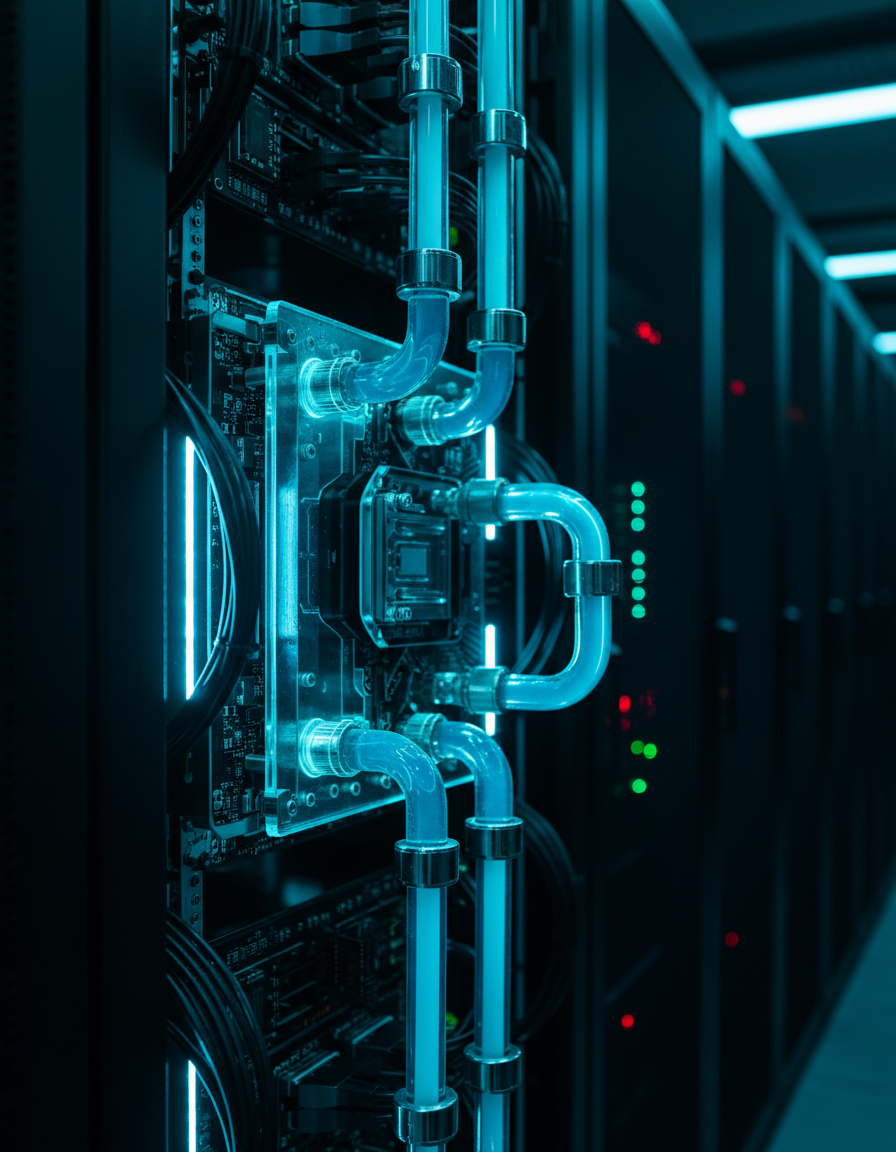
Automated adjustment of fan speeds, chilled water flow rates, and liquid cooling loops in real-time.
Continuous Learning
System adapts and improves efficiency through ongoing training on operational data.
How It Works
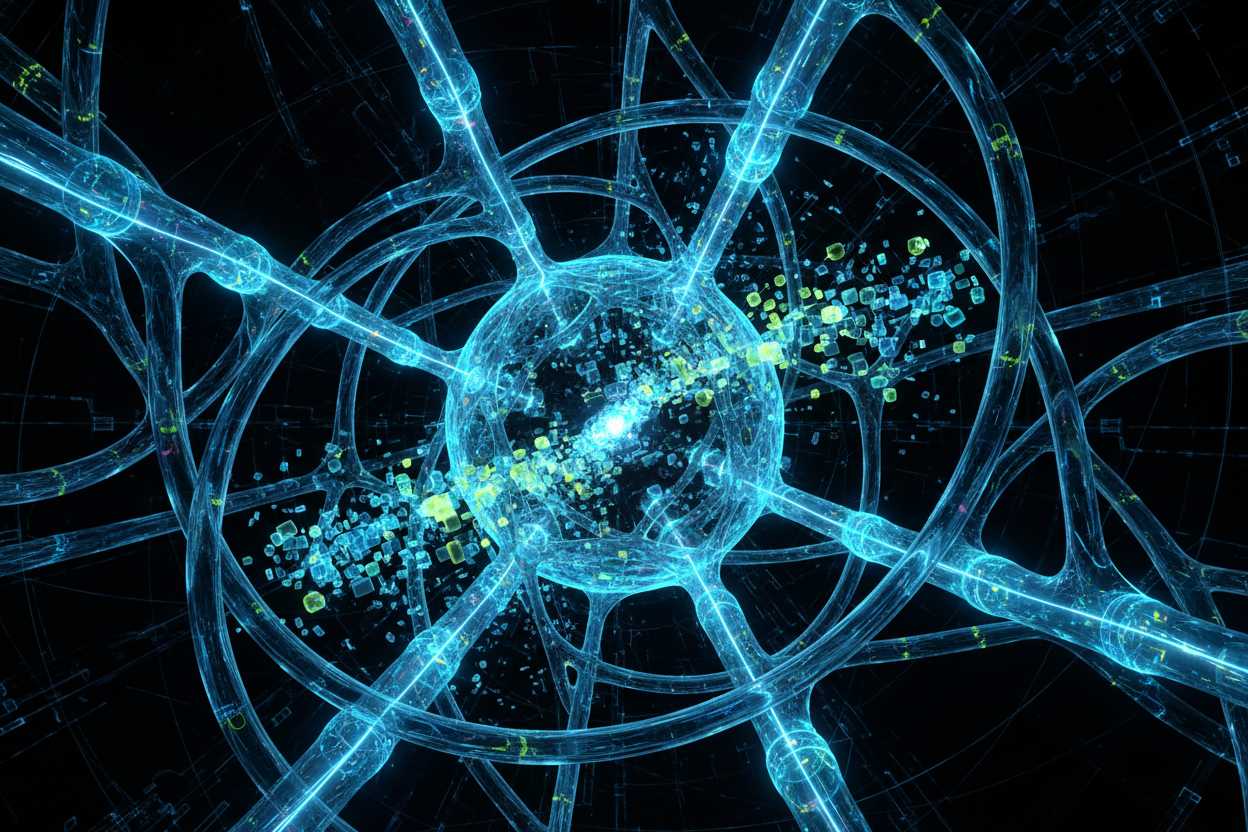
Our proprietary DRL agent continuously learns optimal cooling policies by analyzing multiple data dimensions simultaneously.
Observing multi-dimensional state space: server temperatures, ambient conditions, workload metrics, and energy consumption
Predicting thermal load trajectories 15-30 minutes ahead using LSTM neural networks
Optimizing cooling actions to minimize energy while maintaining thermal constraints
Adapting to seasonal variations, workload shifts, and equipment degradation
35-40% more energy efficient than traditional PID controllers and rule-based systems.
Turn Cooling Overhead Into Compute Capacity
Most AI data centers aren't limited by floor space. They're limited by power. Every megawatt spent on over-provisioned cooling is a megawatt that can't run GPUs. Synapse Thermal recovers stranded cooling capacity and gives your team the forecasts it needs to plan expansions with confidence, not guesswork.
Recover Stranded Capacity
Static setpoints and worst-case provisioning leave cooling headroom locked up. Our DRL agent matches cooling to real thermal load, freeing capacity you've already paid for.
Defer Cooling CapEx
Before you buy another chiller, CRAH, or CDU, find out how much more load your existing plant can safely carry. Optimization often pushes major cooling purchases further out.
Shift Power From Cooling to Compute
At a fixed utility interconnect, lower cooling energy means more power available for IT load. Improving PUE directly expands how much compute your site can host.
Forecast-Driven Planning
Our models forecast thermal load 15-30 minutes ahead and learn your site's behavior over time. That gives facilities and finance teams data-backed headroom estimates for rack additions, density upgrades, and phased build-outs.
Every 0.1 improvement in PUE frees power that can be redeployed to revenue-generating compute.
Get a Capacity AssessmentDe-Risk Your Move to 800 Volt Power
Next-generation AI racks are moving to 800 VDC power architectures to support rack densities approaching 1 MW. That transition rarely happens all at once. Facilities run mixed AC, 48V, sidecar, and 800 VDC architectures simultaneously.
Perfect Storm of Drivers
$20B addressable market by 2028, growing at 23% CAGR
AI Explosion
GPU workloads generate 3-5x more heat, demanding intelligent cooling
Sustainability Mandates
Corporate carbon neutrality commitments and regulatory pressure
Energy Costs Rising
Electricity prices up 25% YoY, making efficiency critical to margins
Market Size by Segment ($M)
- 2024
- 2028
Competitive Advantages
Proprietary DRL Algorithm
Thermal prediction and multi-objective optimization. Simulated 15-20% better than competing solutions.
Hardware-Agnostic Integration
Works with existing HVAC, CRAC, liquid cooling, and immersion systems. No rip-and-replace — rapid deployment in 4-6 weeks.
Edge AI Deployment
On-premise inference for microsecond latency and data privacy. No cloud dependency for mission-critical control systems.
Deep Industry Relationships
EPC and Big Tech relationships. Strong references and case studies from enterprise deployments.
The Team
Industry veterans with deep expertise in data center operations, machine learning, and enterprise technology.

Thomas Chepucavage
CEO

Jimmy Chui
CTO

Prof. Abdullah Mueen
Advisor

Nick Pascetti
Solutions Architect
From the Synapse Blog

Ready to Optimize Your Cooling?
Customers achieve full investment return in 8-14 months through energy savings alone. See how Synapse Thermal can transform your data center efficiency.
Contact Tom Chepucavage to schedule a demo